



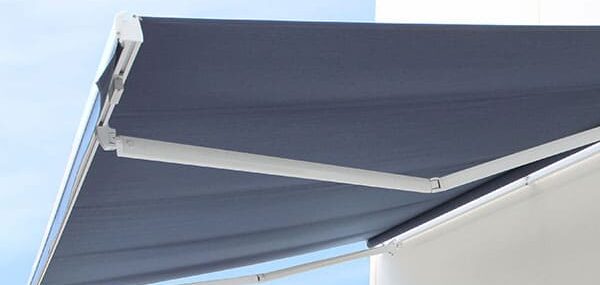
Can outdoor awnings keep your home cooler in summer without blocking the winter sunlight you want? Yes, the right awning can help you manage seasonal sun, but the result depends on the awning type, window orientation, projection, and how you use the space.
For Melbourne homeowners, the goal is not necessarily to block sunlight all year. It is to reduce unwanted summer heat while allowing useful winter sun into rooms where natural warmth and daylight matter. A fixed awning, retractable folding-arm awning, or window awning can produce different results depending on where it is installed.
This guide explains how seasonal sun angles affect outdoor awnings, which window orientations need different shading approaches, and what to consider before arranging an outdoor awning installation in Melbourne.
How Does the Sun Change Between Summer and Winter?
The sun follows a different path across the sky throughout the year. In Melbourne, summer midday sun is higher in the sky, while winter midday sun sits lower. This change affects how far sunlight reaches beneath an awning and whether it enters a window or falls across an outdoor entertaining area.
A correctly designed horizontal shade can block higher-angle summer sun while allowing lower-angle winter sunlight to pass beneath it. However, the outcome depends on the opening’s orientation, the awning’s projection, the height of the window and nearby obstructions.
That is why outdoor shade solutions should be selected for the specific area being shaded, rather than simply choosing a style because it looks attractive on another house.
Does Window Orientation Change the Best Awning?
Yes. The direction a window faces influences when direct sunlight reaches the glass and how difficult it is to control. That is why orientation is particularly important when choosing between fixed and retractable awnings.
North-facing windows
North-facing glazing can receive useful winter sunshine as well as strong summer sunlight. A suitably designed horizontal awning may shade the window when the summer sun is high while allowing some lower winter sun to enter.
For this reason, a fixed awning may work well when its dimensions and position suit the window. However, an incorrectly sized or positioned awning can also block daylight or winter sun that the household wants to retain. The actual projection and surrounding conditions need to be assessed.
East-facing windows
East-facing windows receive morning sun. The amount of heat and glare depends on the season, nearby buildings, trees, glazing, and how the room is used. If morning sunlight is uncomfortable, an external window awning or adjustable shade may help intercept direct sun before it reaches the glass.
Consider when the room is occupied. A bedroom may need a different shading approach from a kitchen used mainly later in the day.
West-facing windows
West-facing windows can receive low-angle afternoon sun, which is often difficult to control with a shallow overhead projection alone. This can create glare and unwanted heat in living rooms and bedrooms.
Depending on the opening and the sun’s path, a retractable window awning, drop-arm awning, or suitable external blind may offer more targeted control. External shading can intercept sunlight before it passes through the glass, but the most suitable product depends on the window and installation conditions.
The Australian Government’s YourHome guide to shading explains how window orientation and seasonal sun angles influence the choice between fixed and adjustable shading for Australian homes.
Fixed, Drop-Arm or Folding-Arm Awnings?
Different awning styles solve different shading problems. So, the best choice depends on whether you are shading a window, protecting an outdoor seating area, or trying to preserve winter sunlight.
| Awning type | Typical application | Seasonal consideration |
| Fixed awning | Windows or entrances needing consistent overhead coverage | Its permanent position may restrict some winter sunlight, depending on orientation and design. |
| Drop-arm awning | Window shading where the fabric can extend downwards | Can provide adjustable coverage, subject to the product’s design and operation. |
| Folding-arm awning | Patios, decks and alfresco areas needing overhead shade | Can be retracted to reopen the area to sunlight when shade is not required. |
When does a fixed awning make sense?
A fixed awning may suit a window where reliable, ongoing shade is the priority and reduced winter sun is acceptable. It can also suit an entrance where permanent coverage is desired. Its effectiveness depends on the dimensions, orientation and location of the opening.
When should you consider retractable awnings?
Retractable awnings allow you to adjust the coverage as conditions change. A folding-arm awning can extend over a patio in summer and retract when you want more sunlight or an open view. A retractable window awning can provide a similar choice for a suitable window application.
Manual and motorised awnings offer different ways to make these adjustments. Motorisation may be convenient when the awning is used frequently, while manual operation may suit simpler requirements. Both need to be used in accordance with the manufacturer’s operating and weather guidance.
Which Awning Works Best for Each Room?
Start by identifying the problem rather than choosing a product first. Is direct sunlight overheating a room, creating glare on a screen, or making your outdoor dining table uncomfortable?
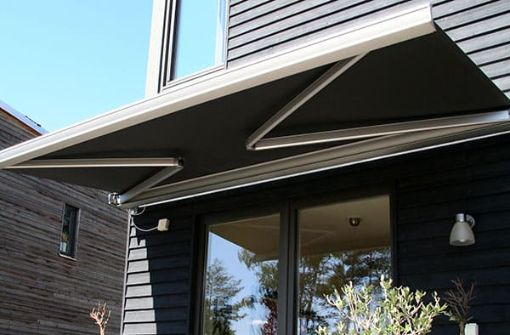
| Area | What to assess | Possible approach |
| North-facing living room | Summer overhead sun and desired winter daylight | Assess a correctly sized fixed or adjustable overhead awning. |
| West-facing bedroom | Low-angle afternoon glare and heat | Consider an external window awning or other suitable adjustable shading. |
| East-facing kitchen | Morning glare and the time the room is occupied | Assess the need for targeted window shading. |
| Open patio or deck | Overhead sun, seating layout and the need for an open view | Consider a folding-arm awning if the structure and exposure suit it. |
| Covered alfresco area | Sideways sun, wind and existing roof coverage | Compare an awning with suitable outdoor blinds for the actual problem. |
For alfresco and patio shading, remember that an overhead awning will not necessarily stop low-angle sunlight entering from the side. If the main issue is lateral sun, a vertical external shading solution may be more appropriate than increasing the overhead projection alone.
How to Choose Outdoor Awnings in Melbourne
Once you understand the sun exposure, consider the installation conditions and how you want to use the space. However, Melbourne homeowners’ choice regarding outdoor awnings should match the building, the shaded area and the level of adjustment required.
Assess the location and projection
Record the width and height of the window or opening, the area that needs shade, and the times direct sunlight becomes uncomfortable. Also, note nearby trees, fences, buildings, and existing eaves. These features can change the actual shadow and the amount of daylight available.
Choose a suitable fabric
Awning fabric affects light transmission, appearance and maintenance. So, ask about the product’s documented UV performance, cleaning requirements, colour options, and suitability for the intended exposure. Do not assume that every fabric offers the same degree of UV protection, heat reduction or weather resistance.
Compare manual and motorised operation
The right choice between manual vs motorised awnings depends on your practical decision about convenience, usage and budget. A manually operated awning may be sufficient if adjustments are occasional and access is straightforward. However, motorisation can make frequent adjustment easier, particularly for larger or regularly used systems. So, always check the specific product’s controls, maintenance requirements and operating limits before choosing.
Understand weather limitations
Outdoor awnings designed for shade should not automatically be treated as a permanent roof or all-weather shelter. Wind exposure, rain, mounting conditions, and the manufacturer’s operating instructions matter. Ask the installer how the selected system should be operated and when it needs to be retracted.
Outdoor Awning Installation: A Practical Checklist
Before requesting an outdoor awning installation in Melbourne, use this checklist to clarify what the new system needs to achieve.
- Identify the problem: Is the priority summer heat, glare, outdoor shade, or a combination?
- Check orientation: Does the opening face north, east, or west, and when does direct sun reach it?
- Measure the area: Record the opening width, height, and the outdoor area that needs coverage.
- Decide how much control you need: Would a fixed awning work, or is retractable operation important for winter sunlight?
- Discuss fabric and maintenance: Confirm documented performance, cleaning needs, and available options.
- Check the installation: Ask how the mounting surface, fixing points, and exposure will be assessed.
- Confirm operating limits: Understand the manufacturer’s instructions for wind, rain and retraction.
- Compare the complete quote: Check product specification, measurements, installation scope, warranty and any relevant exclusions.
A site assessment is particularly useful when windows have unusual orientations, the wall or eaves constrain installation, or nearby buildings create complicated shadows. It helps establish whether the proposed awning can meet the intended shading goal.
Frequently Asked Questions
It may, particularly if a fixed awning blocks sunlight that would otherwise reach a window. The effect depends on orientation, projection, and placement. A retractable option may allow you to reopen the window to sunlight when required.
Retractable awnings offer more control because they can be extended or retracted as conditions change. They are not automatically the best choice for every opening; installation conditions, exposure, use, and budget still matter.
Folding-arm awnings may suit patios and decks where overhead shade is needed without permanent support posts. The wall structure, required projection, and exposure must be checked before selecting a system.
The best option usually depends on the angle and timing of the afternoon sun. A suitable external window awning, drop-arm awning, or adjustable blind may help manage low-angle sunlight. So, assess the window and shading requirements before choosing.
External shading may reduce direct sunlight reaching the glass and may help limit solar heat entering a room. The result varies with the window, orientation, fabric, installation, and other building features.
Choose based on how often you need to adjust the shade. A fixed awning provides permanent coverage, while a motorised retractable system offers convenient adjustment. Confirm the options available for the specific product.
Choose an Awning That Works Across the Seasons
The right outdoor awning can help you manage summer sun while preserving useful winter daylight, but the result depends on orientation, design and how the space is used. Fixed awnings may suit windows needing consistent coverage, while retractable systems offer more flexibility when seasonal sunlight matters.
Statewide Outdoor Blinds offers outdoor awnings, folding-arm awnings and window awnings. So, if you are unsure which option suits your home, contact the team before choosing a system. Meanwhile, don’t forget to explore the outdoor awnings, or you may also request a measure and quote to discuss the shading requirements for your property.