

Ziptrak outdoor blinds have become one of the most searched shading solutions among Melbourne homeowners – and for good reason. Whether you are trying to block out Melbourne’s harsh summer sun, shield your pergola from winter wind, or simply extend your outdoor living season, Ziptrak blinds in Melbourne consistently come up as a top contender. But are they genuinely worth the investment? This guide breaks down everything you need to know – from how the zip-guided track system works to real 2026 cost estimates, comparisons with alternatives like Zipscreen blinds and cafe blinds, and practical maintenance advice from experienced Melbourne installers.
What Makes Ziptrak Blinds Stand Apart
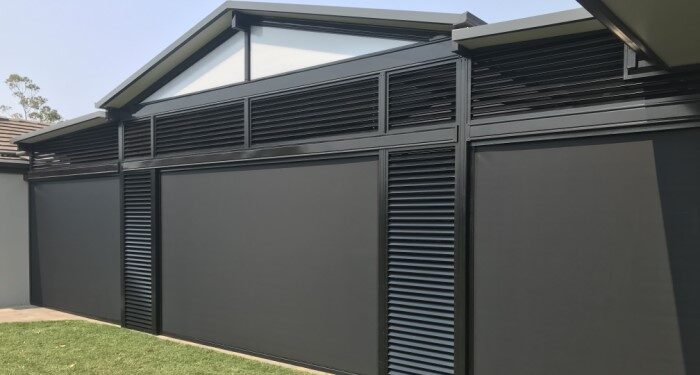
Ziptrak is not just a brand name – it refers to a specific track-guided roller blind system. The design locks the blind fabric into side channels using a zip mechanism. This creates a sealed, wind-resistant enclosure around outdoor spaces. Unlike traditional outdoor roller blinds that can flap and billow in wind, the track-guided system holds the blind firm at all times.
Moreover, the spring-balanced mechanism means the blind can stop at any position without latches or locks. You simply push the blind up or down, and it stays exactly where you place it. This is particularly useful in Melbourne’s unpredictable weather, where you might need to adjust the blind mid-afternoon as conditions change rapidly.
Zip-Track System
Fabric locks into side channels for wind resistance and a clean seal.
Spring Balanced
Stops at any position without clips, latches, or ties needed.
All-Season Use
Designed for Melbourne summers, winters, and everything between.
Motorisable
Fully compatible with motorisation and smart home systems.
Furthermore, Ziptrak blinds are available in a wide range of fabrics. Options include clear PVC for maximum visibility, mesh fabrics for airflow and UV filtration, and blockout or privacy fabrics for complete enclosure. This versatility makes them suitable for everything from open alfresco areas to fully enclosed patios.
Verified Fact – Source: Ziptrak Pty Ltd (Australia)
The Ziptrak system was developed in Australia and is manufactured to Australian conditions. The zip-guided track mechanism is patented technology designed specifically for outdoor use in variable Australian climates. Source: Ziptrak.com.au
Why Melbourne Weather Demands the Right Outdoor Blind
Melbourne is famous for its unpredictable weather. The city genuinely experiences four seasons in one day – a phenomenon any long-term resident understands deeply. Summer afternoons can push past 38 degrees Celsius, while winter evenings in the western suburbs drop to near freezing. Consequently, outdoor blinds need to work hard year-round in Melbourne.
Additionally, Melbourne’s coastal location means wind is a constant factor. Suburbs like Hoppers Crossing, Point Cook, and Altona regularly experience strong southerly and westerly gusts. Standard outdoor blinds without a zip-track system flutter, gap at the edges, and provide minimal protection in these conditions. This is precisely why track-guided systems like Ziptrak blinds have gained such strong traction across Melbourne’s western and bayside suburbs.
Therefore, choosing an outdoor blind that handles both heat and wind simultaneously is not just a comfort decision – it is a practical one. Outdoor blinds in Melbourne need to manage UV exposure, control heat gain, resist wind pressure, and handle occasional rain. Ziptrak blinds address all four requirements through their sealed track system and fabric selection.
How the Zip-Track Guided Blind System Works
Understanding the mechanism helps you make a better buying decision. The Ziptrak track-guided blind system consists of three main components: the aluminium side tracks, the roller mechanism at the top, and the weighted bottom bar. The fabric itself has a zip-style bead sewn along each side edge.
When you lower the blind, the side beads slide into the aluminium channel grooves and lock the fabric in place laterally. As a result, wind cannot push the fabric sideways or create gaps along the edges. The spring-counterbalance in the roller tube means the blind holds its position at any height – fully open, fully closed, or anywhere in between.
Key Components of the System
- Aluminium side tracks: Powder-coated for weather resistance, available in multiple colour options.
- Zipped fabric edge: Monofilament bead sewn into the fabric sides for track engagement.
- Spring-balanced roller: Allows freehand positioning at any height without tools.
- Weighted bottom bar: Keeps the blind taut and prevents lifting in wind gusts.
- Pelmet or hood: Optional cover that protects the roller mechanism from UV and weather.
Furthermore, the system can accommodate slight irregularities in structure – an important consideration for older Melbourne homes where pergola posts or patio beams may not be perfectly plumb. Installers can adjust track angles during fitting to ensure a clean, flush result regardless of structural variations.
Good to know: The maximum recommended single-span width for a Ziptrak blind is approximately 6 metres. For wider pergola openings, two or more blinds are installed side by side with a central post or beam separator. This is standard practice for large alfresco areas across Melbourne homes.
Ziptrak vs Zipscreen in Melbourne: Which System Suits Your Home
This comparison comes up constantly among Melbourne homeowners researching outdoor blinds. Both systems use a zip-guided track mechanism – so what actually separates them? The differences are meaningful and worth understanding before making a decision.
Both Ziptrak and Zipscreen are premium, Australian-designed systems built to strict manufacturing standards. However, they use different hardware ecosystems. Ziptrak relies on its proprietary, globally patented spline tape technology and iconic center-release mechanism. Zipscreen, engineered by global window furnishing leader Rollease Acmeda, utilizes a unique side-guide retention system and hidden Ultra-Lock technology to deliver a sleek, minimalist look. Both systems deliver incredible wind resistance, but they approach tensioning and aesthetics differently.
Ziptrak Blinds
- Australian-patented technology
- Consistent build quality standards
- Spring-balanced mechanism (no motor needed)
- Wide fabric range including clear PVC
- Available with motorisation upgrade
- Supported installer network across Melbourne
- Typically higher entry price point
Zipscreen Blinds
- Patented Rollease Acmeda technology
- Consistent build quality standards
- Features hidden Ultra-Lock technology
- Wide fabric range with strong UV and privacy performance
- Often motor-dependent for operation (highly compatible with smart automation)
- Popular for commercial applications
- Highly standardised across the industry
For most Melbourne homeowners installing blinds on a pergola or patio, Ziptrak offers a more predictable quality outcome. However, Zipscreen blinds from a reputable Melbourne installer can also deliver excellent results – particularly where motorisation is preferred from the outset. The key is choosing a supplier with verifiable installation experience in Melbourne.
Additionally, it is worth noting that eZIP blinds represent another excellent Australian-designed variation in this track-guided category, offering robust weather-sealing performance at an alternative price point. Consulting with your Melbourne installer about which system suits your specific opening dimensions, aesthetic goals, and usage frequency is always the smartest first step.
Ziptrak vs Cafe Blinds in Melbourne: A Practical Comparison
Cafe blinds remain one of Melbourne’s most popular outdoor shading choices, particularly among homeowners renovating older homes with open verandahs. They are simpler, generally less expensive, and widely available. But how do they stack up against Ziptrak blinds in real-world Melbourne conditions?
The fundamental difference lies in the edge design. Cafe blinds in Melbourne use a simple drop-down roller mechanism with the fabric hanging freely. Ropes, buckles, or clips at the bottom secure the blind when lowered. There are no side tracks. As a result, wind can push the fabric inward, creating gaps and reducing weather protection.
That said, cafe blinds are far from obsolete. They suit covered verandahs where wind is not a primary concern. They cost less upfront and are easier to repair if damaged. For Melbourne homeowners on a tighter budget who need basic weather protection, cafe blinds remain a practical and attractive choice.
However, if your patio or pergola faces southerly or westerly exposure – which is common across Melbourne’s western suburbs – the sealed edge of a Ziptrak blind makes a significant practical difference. Moreover, in terms of long-term value and daily usability, Ziptrak blinds outperform standard cafe blinds in most Melbourne outdoor living contexts.
What Do Ziptrak Blinds Cost in Melbourne for 2026
Pricing Disclaimer: The price ranges below reflect indicative market estimates as of mid-2026 based on installer feedback and product specifications. Actual costs vary based on blind dimensions, fabric selection, motorisation, structural requirements, and individual supplier pricing. Always request a tailored quote from a licensed Melbourne installer. These figures should not be treated as fixed pricing.
Cost is one of the most common questions Melbourne homeowners ask when researching Ziptrak outdoor blinds. The honest answer is that pricing varies widely depending on several factors. Nevertheless, understanding the typical cost ranges helps you budget realistically before requesting quotes.
Standard Manual
$800 – $1,400
Per blind, supply and install. Standard fabric, manual spring operation.
Premium Fabric
$1,200 – $2,000
Per blind, supply and install. High-performance mesh or blockout fabric.
Motorised
$1,800 – $2,800+
Per blind with motor. Includes remote or smart home integration.
Full Pergola
$4,000 – $12,000+
Multiple blinds, full installation. Depends on pergola size and configuration.
What Affects the Price of Ziptrak Blinds
Several variables directly influence the final installed cost of Ziptrak blinds in Melbourne. Width and drop are the biggest drivers – larger blinds require more fabric, heavier mechanisms, and longer installation time. Additionally, fabric type plays a significant role. Clear PVC, mesh, and blockout fabrics all carry different price points.
- Width and height: Larger openings cost more per blind and overall.
- Fabric selection: Clear PVC, screen mesh, blockout, and privacy fabrics vary in cost.
- Motorisation: Adding a motor increases cost but improves daily convenience significantly.
- Number of blinds: Multi-blind installations often attract a better per-unit price.
- Structural preparation: Some pergolas need brackets, posts, or reinforcement before installation.
- Colour and finish: Custom powder-coat colours on the tracks can add to the price.
Verified Reference – Consumer Guidance
The Australian Competition and Consumer Commission (ACCC) recommends obtaining at least three written quotes for home improvement products. This is especially relevant for custom-made outdoor blinds where pricing can vary significantly between suppliers. Source: ACCC.gov.au
Furthermore, installation complexity affects pricing. A straightforward pergola with even posts and standard ceiling height installs faster than a multi-level deck or irregular alfresco structure. Your installer should provide a site assessment before quoting to ensure the price reflects your actual installation requirements.
Motorised Ziptrak Blinds in Melbourne: Convenience That Makes Sense
Motorised Ziptrak blinds have grown rapidly in popularity across Melbourne in recent years. The appeal is straightforward – you can raise or lower your outdoor blinds without leaving your seat, often from a remote control, wall switch, or smartphone app. For Melbourne homeowners who entertain frequently or have large pergola openings, motorisation is increasingly the preferred choice.
Moreover, motorised systems can integrate with weather sensors. This means the blind automatically retracts when wind speed exceeds a set threshold – protecting the fabric from damage during Melbourne’s unpredictable storm events. Some systems also link to sun sensors, dropping the blind automatically as afternoon UV levels peak.
Motorisation Options Available in Melbourne
- Hardwired motor: Permanent electrical connection, most reliable long-term option.
- Battery-powered motor: No wiring required, suits existing structures without cable runs.
- Solar-powered motor: Rechargeable via solar panel, ideal for pergolas with sun exposure.
- Smart home integration: Compatible with Google Home, Amazon Alexa, and Apple HomeKit via bridge devices.
Additionally, motorised Ziptrak blinds are particularly popular on Melbourne pergolas where manual access is awkward – such as high-ceiling alfresco areas or blinds positioned above head height. The Somfy and Rollease Acmeda motor systems are among the most commonly specified by Melbourne installers due to their reliability and warranty support.
Ziptrak Blinds for Pergolas and Patios in Melbourne
Pergolas and patios are the most common application for Ziptrak blinds across Melbourne. Whether you have a freestanding pergola in the backyard, an attached alfresco structure off the dining room, or a covered deck overlooking the garden, Ziptrak blinds transform these spaces into genuinely usable year-round rooms.
The track-guided system is particularly suited to pergola applications because it can span large openings without requiring a centre post. As mentioned earlier, a single blind can span up to approximately 6 metres wide. For wider pergolas, two or more blinds are mounted side by side. Consequently, even large 8-metre or 10-metre wide pergolas common in Melbourne’s newer estates can be fully enclosed with Ziptrak blinds.
Pergola Blind Configurations for Melbourne Homes
- Side walls only: Close the exposed sides while leaving the front open for airflow.
- Full enclosure: All sides fitted with blinds for complete year-round protection.
- Front drop only: Single blind on the open face of a three-sided pergola structure.
- Corner wrap: Two adjacent sides fitted with blinds for L-shaped alfresco areas.
For patio applications, slide track blinds offer an interesting alternative to Ziptrak for situations where the blind needs to slide horizontally along a track rather than drop vertically. However, for the majority of Melbourne patios with a fixed overhead structure, Ziptrak’s vertical drop system remains the most practical and popular choice.
Furthermore, Ziptrak blinds work alongside other shading products. Many Melbourne homeowners combine Ziptrak side blinds with a folding arm awning above for complete sun, wind, and rain protection from multiple directions simultaneously.
Do Ziptrak Blinds Actually Keep Out the Winter Cold in Melbourne
This question appears frequently on Melbourne renovation forums, Reddit’s r/AusRenovation community, and Google’s People Also Ask results. The short answer is yes – but with an important qualification. Ziptrak blinds significantly reduce cold wind penetration and create a thermal buffer zone. However, they are not the same as double-glazed windows or insulated wall panels.
When fully closed, a Ziptrak blind traps a layer of air between the fabric and the interior of your pergola or patio. This trapped air acts as insulation, reducing the rate at which warmth escapes from the space. In Melbourne winters, where evening temperatures in the western suburbs regularly drop to 6-8 degrees Celsius, this can make a meaningful difference to outdoor comfort without additional heating.
Moreover, choosing the right fabric makes a difference. Blockout and heavier PVC fabrics provide better wind and cold insulation than lightweight mesh screens. For Melbourne homeowners who primarily use their alfresco area in spring and autumn – when mornings are cool and afternoons are warm – a combination of mesh and clear PVC panels on different sides offers flexibility across the seasons.
Additionally, combining Ziptrak blinds with outdoor heaters or ceiling-mounted patio heaters dramatically extends the usable season of your outdoor space. Many Melbourne homeowners report using their enclosed alfresco areas comfortably well into July and August with this combination.
How to Clean and Maintain Ziptrak Blinds Properly
Proper maintenance is the single biggest factor in how long your Ziptrak blinds last. With regular care, a quality installation should serve Melbourne homes for 10 to 15 years without major repairs. Neglected blinds, by contrast, can develop mould, fabric degradation, and mechanical issues within a few years.
Routine Cleaning Schedule
The following schedule is recommended by outdoor blind installers across Melbourne and aligns with manufacturer guidelines for fabric maintenance:
- Monthly: Wipe down the aluminium tracks with a damp cloth. Remove leaves, dust, and debris from the bottom bar channel.
- Every 3 months: Clean the fabric with mild soapy water using a soft brush. Work from the top down, rinse thoroughly with clean water.
- Every 6 months: Inspect the zip bead along the fabric edges for any signs of wear or separation from the stitching.
- Annually: Apply a silicone-based lubricant to the side track channels to ensure smooth operation. Check the spring tension in the roller mechanism.
Common Ziptrak Blind Problems and How to Fix Them
Even well-maintained Ziptrak blinds can develop issues over time. Understanding the most common problems helps you address them before they worsen.
- Fabric billowing between tracks: Usually caused by worn zip beads or damaged track channels. Requires inspection by an installer.
- Blind not holding position: Spring tension has weakened over time. A tension adjustment by a qualified installer typically resolves this.
- Mould or mildew on fabric: Roll the blind down only when fully dry. Clean with a specialist outdoor fabric cleaner and ensure adequate ventilation when stored rolled up.
- Stiff or jerky operation: Debris in the tracks or insufficient lubrication. Clean tracks and apply silicone lubricant.
- Bottom bar not sitting level: Track alignment issue, often caused by structural movement. An installer can re-align the tracks.
Maintenance tip for Melbourne homeowners: After Melbourne’s summer storm season (typically January to March), inspect your Ziptrak blinds for any zip bead separation or track damage. Addressing minor issues early prevents costly repairs later in the year.
For repairs beyond routine maintenance, contact a qualified Melbourne outdoor blind installer. Attempting to adjust the spring mechanism or replace zip beads without experience can damage the blind further. Statewide Outdoor Blinds services and repairs existing installations across Melbourne’s western suburbs and surrounding areas.
The Ziptrak Installation Process in Melbourne – What to Expect
Understanding the installation process reduces anxiety and helps you prepare your outdoor space appropriately. Ziptrak blind installation in Melbourne follows a consistent process, though timelines vary based on the number of blinds and structural conditions.
Before Installation Day
- A qualified measure-and-quote consultant visits your home to assess the pergola or patio structure.
- Opening dimensions, structural material, and fixing points are documented precisely.
- Fabric, colour, and motorisation choices are confirmed.
- Blinds are custom-manufactured to your exact opening dimensions – this is not an off-the-shelf product.
- Manufacturing typically takes 3 to 6 weeks from order confirmation.
On Installation Day
- Installers arrive with pre-built blind units cut and assembled to your measurements.
- Side tracks are fixed to the pergola posts or structure using appropriate fixings for the substrate.
- The roller mechanism is mounted at the top of the opening.
- The fabric is threaded into the tracks and tensioned correctly.
- For motorised blinds, the motor is wired or the battery pack connected and tested.
- Full operation is demonstrated and any adjustments are made before the installer leaves.
Most standard Ziptrak installations across Melbourne take between half a day and a full day for a typical 3-4 blind pergola installation. Larger installations or those requiring structural preparation may extend to two days. The installation team handles all cleanup, and your space is immediately usable upon completion.
Exploring Other Outdoor Shading Options in Melbourne
While Ziptrak blinds suit a wide range of Melbourne outdoor spaces, they are not the only option worth considering. Depending on your specific requirements, budget, and the architecture of your home, other products from Statewide Outdoor Blinds might complement or replace Ziptrak blinds effectively.
Outdoor awnings in Melbourne offer overhead shade without requiring a fixed pergola structure. Folding arm awnings extend over a deck or patio without side posts, creating shade over the area directly below. These work particularly well when combined with Ziptrak side blinds for complete enclosure.
Window awnings in Melbourne address solar heat gain through windows – a significant consideration for Melbourne homes facing north or west. Similarly, plantation shutters and security roller shutters address indoor light, privacy, and security needs that outdoor blinds do not cover.
For a comprehensive outdoor living setup in Melbourne, many homeowners combine multiple products. A typical combination might include Ziptrak blinds on the pergola sides, a folding arm awning overhead, and plantation shutters on the adjacent external windows – creating a seamless, controllable outdoor environment.
It is worth understanding how outdoor shading products relate to broader energy efficiency principles. According to Wikipedia’s article on solar gain, external shading devices – including awnings, blinds, and shutters installed on the exterior of a building – are significantly more effective at reducing solar heat gain than internal curtains or blinds. This is because external shading prevents solar radiation from entering the glass in the first place, rather than managing it after it has already penetrated into the space.
Frequently Asked Questions About Ziptrak Outdoor Blinds
As of mid-2026, Ziptrak outdoor blinds in Melbourne typically range from approximately $800 to $2,500 or more per blind, fully installed. Price depends on width, drop height, fabric type, and whether motorisation is included. Full pergola installations with multiple blinds generally range from $4,000 to $12,000 or more. Always request a personalised quote based on your specific opening dimensions.
Yes, for most Melbourne homes with pergolas or patios, Ziptrak blinds offer excellent long-term value. The sealed track system provides wind resistance, UV protection, and rain reduction that standard cafe blinds or roller blinds cannot match. Combined with their ease of use and 10-15 year lifespan with proper maintenance, they represent a strong return on investment for outdoor living spaces.
A single Ziptrak blind in Melbourne costs approximately $800 to $1,400 for a standard manual model with basic fabric. Premium fabrics and motorisation push the cost to $1,500 to $2,800 or more per blind. These are indicative mid-2026 estimates – request a quote for accurate pricing based on your dimensions.
Ziptrak blinds significantly reduce wind-driven rain entry into pergolas and patios when fully closed. The zip-guided track seals the fabric edges and prevents rain from blowing sideways into the space. However, they are not completely waterproof – heavy direct rainfall can still penetrate through the fabric or bottom bar if the pergola roof is open. For maximum rain protection, combine Ziptrak blinds with a weatherproof pergola roof.
Ziptrak blinds handle moderate wind well because the zip-track system locks the fabric edges and prevents billowing. They are rated for general outdoor wind exposure. However, during extreme wind events or storms – which Melbourne does experience – it is advisable to raise the blinds to avoid excess pressure on the fabric and mechanical components. If motorised blinds are connected to a wind sensor, they will retract automatically when wind exceeds a safe threshold.
With proper maintenance – regular cleaning, track lubrication, and prompt attention to minor issues – Ziptrak blinds typically last 10 to 15 years in Melbourne conditions. Quality of fabric, installation standard, and frequency of use all influence longevity. UV-stable fabrics and powder-coated aluminium components resist Melbourne’s sun and weather effectively over this period.
The main alternatives to Ziptrak blinds in Melbourne include Zipscreen blinds (a similar zip-guided system from various manufacturers), E-Zip blinds, cafe blinds (no side tracks, lower cost), slide track blinds (horizontal operation), and outdoor roller blinds without tracks. Each alternative suits different budgets, architectural styles, and performance requirements. Consulting with a Melbourne outdoor blind specialist helps identify the best fit for your specific space.
Most Ziptrak installations take between half a day and a full day for a standard 3-4 blind pergola setup. Larger or more complex installations with motorisation, structural preparation, or more than 4 blinds may take two days. After installation, your space is immediately usable. The manufacturing lead time before installation is typically 3 to 6 weeks from order confirmation.
A single Ziptrak blind typically spans up to approximately 6 metres wide. For pergola openings wider than 6 metres, two or more blinds are installed side by side, often separated by a structural post or aluminium divider. Drops of up to 5 metres or more are achievable depending on the specific product configuration.
Yes. When fully closed, Ziptrak blinds create a thermal buffer zone by trapping air between the fabric and the outdoor structure. This reduces cold wind penetration and slows heat loss from the space. Blockout and heavier PVC fabrics provide better thermal insulation than lightweight mesh fabrics. While they do not replace glazing or insulated walls, they meaningfully improve comfort in Melbourne pergolas and patios during winter months.
In many cases, yes – existing Ziptrak blinds can be retrofitted with a motor. However, the feasibility depends on the specific model, the roller tube size, and available access for wiring or battery installation. It is best to discuss this with your Melbourne installer, as it may be more cost-effective to specify motorisation at the time of initial installation rather than as a retrofit later.
Use mild soapy water and a soft brush or cloth. Work from the top of the blind downward. Rinse thoroughly with clean water – leaving soap residue accelerates fabric degradation. Never use bleach or harsh chemical cleaners on the fabric. Always allow the blind to dry completely before rolling it up to prevent mould growth inside the rolled fabric. Clean the aluminium tracks separately with a damp cloth and a small amount of silicone-based lubricant.
Yes, Ziptrak blinds can be fitted to balconies including second-storey applications. However, installations above ground level require appropriate structural fixings and may need assessment of the balcony structure’s ability to support the track system. Wind exposure at height should also be factored into fabric selection. A site inspection by a qualified Melbourne installer is essential before proceeding with balcony applications.
The Bottom Line: Are Ziptrak Outdoor Blinds Right for Your Melbourne Home
After covering the system in depth – from how the zip-guided track works to real 2026 pricing, comparisons with cafe blinds and Zipscreen systems, and maintenance requirements – the answer is clear for most Melbourne homeowners: Ziptrak outdoor blinds deliver genuine, long-term value when correctly specified and professionally installed.
They outperform standard cafe blinds in wind resistance and ease of use. They provide meaningful winter insulation when combined with appropriate fabric choices. Furthermore, they transform underused pergolas and patios into year-round living spaces that add real value to Melbourne homes. The motorisation upgrade makes daily operation effortless, particularly for large or hard-to-reach openings.
That said, Ziptrak blinds represent a premium investment. They suit homeowners who use their outdoor space regularly and want a solution that performs reliably across Melbourne’s full seasonal range. If budget is the primary concern, cafe blinds or E-Zip alternatives offer a more accessible entry point – but with trade-offs in performance and longevity that become apparent over time.
Ultimately, the best outdoor blind for your Melbourne home depends on your specific space, how you use it, and what performance you expect. The team at Statewide Outdoor Blinds brings years of experience installing Ziptrak blinds across Melbourne’s western suburbs and beyond – and we offer a free measure and quote to help you make the right decision without pressure.