

Outdoor Awnings have transformed the way Melbourne homeowners use and enjoy their properties — creating comfortable, protected alfresco spaces that stand up to unpredictable sun, wind, and rain year-round. Whether you are considering retractable awnings, folding arm awnings, Ziptrak awnings, or complementary alfresco blinds, this guide covers everything you need — from real cost ranges and product comparisons, to installation timelines, material choices, automation options, maintenance schedules, and the style trends reshaping Melbourne outdoor living in 2026.
Why Melbourne Homeowners Are Investing in Outdoor Awnings
Melbourne’s climate is famously unpredictable — four seasons in a single day is not a cliché, it is a daily reality for residents across the metropolitan area. Outdoor Awnings provide a practical and aesthetically considered solution to this challenge, extending functional outdoor living space across patios, decks, entertaining areas, windows, and commercial shopfronts without requiring expensive permanent construction.
The demand for quality awning solutions has grown significantly in recent years, driven by a broader cultural shift toward alfresco dining, working from home in outdoor settings, and increasing awareness of solar heat gain inside homes. A well-chosen awning installation can reduce indoor temperatures by up to 15 degrees on a Melbourne summer afternoon, easing the burden on air conditioning systems and lowering ongoing energy costs — a genuinely valuable return on investment.
Beyond temperature control, outdoor awnings deliver UV protection, rain shelter, enhanced privacy, and a considered design element that ties together an outdoor entertaining space. Homeowners in Melbourne’s western, northern, and bayside suburbs are particularly focused on this combination of practical performance and visual appeal — and product ranges from Statewide Outdoor Blinds are designed to meet exactly these needs.
Types of Outdoor Awnings Available in Melbourne
Understanding the different categories of outdoor awnings is the first step toward choosing the right solution for your property. Each system has distinct advantages depending on your exposure, budget, aesthetic goals, and how you plan to use the space.
Retractable Awnings
Retractable Awnings Melbourne homeowners choose are among the most versatile and popular options available. These systems extend manually or via an electric motor to provide shade on demand — and retract fully when not needed, protecting the fabric from high winds and storms. The flexibility to control shade throughout the day makes retractable systems the preferred choice for entertaining areas, pergolas, and large deck spaces.
Modern retractable awning frames are typically constructed from powder-coated aluminium — lightweight, corrosion-resistant, and available in a wide range of colour finishes that complement both contemporary and traditional Melbourne home designs. Fabric choices range from solution-dyed acrylic (breathable, fade-resistant, and long-lasting) to high-density polyester weaves suited to higher rainfall exposure.
Folding Arm Awnings
Folding Arm Awnings Melbourne installations are a refined evolution of the retractable awning concept. The distinguishing feature is a spring-loaded or motorised folding arm mechanism that allows the awning to project outward without any front support posts — creating an unobstructed, open-air shaded space beneath. This makes folding arm systems ideal for entertaining areas where you want maximum usable space without structural intrusion.
Folding arm awnings are particularly effective for north-facing and west-facing aspects — the directions from which Melbourne receives the most intense afternoon sun. Projection widths typically range from 2 metres to 6 metres or more, with custom-width options available for larger entertaining areas. When paired with wind sensors and automation systems, folding arm awnings retract automatically during high-wind events — protecting the mechanism and extending the product’s working life considerably.
| Design Consideration: Folding arm awnings without support posts work best when wall-mounted to a structurally sound façade. A qualified installer will assess your wall type, fixings, and load-bearing requirements before proceeding — this is an important step that separates professional installation from DIY approaches. |
Ziptrak Awnings
Ziptrak Awnings Melbourne represent the premium end of the outdoor awning market — a track-guided blind system that eliminates exposed cords, chains, and external hardware. The Ziptrak mechanism allows the blind to glide smoothly up and down an aluminium track on each side, locking securely at any height without clips or hooks. This patented design makes Ziptrak uniquely suited to Melbourne’s weather variability, providing both partial shade on mild days and full enclosure protection during wind or rain.
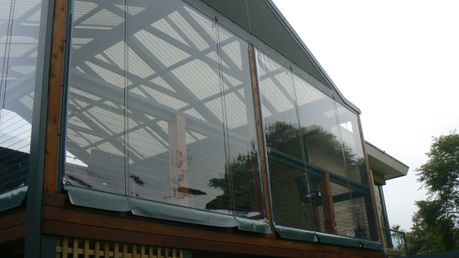
Ziptrak Outdoor Blinds are available in a wide range of PVC, mesh, and blockout fabric options. Clear PVC panels maintain sightlines to gardens and outdoor views while still providing a windbreak — a particularly popular choice for bayside Melbourne properties. Mesh fabrics reduce glare and UV exposure while maintaining airflow and visibility. Blockout options deliver privacy and complete light control for alfresco rooms used in the evenings.
Window Awnings
Outdoor Window Awnings Melbourne homeowners install are a targeted and cost-effective shading solution for individual windows, particularly those facing north or west. By intercepting solar radiation before it enters the glass, window awnings reduce heat transfer into interior rooms — reducing reliance on cooling systems during Melbourne summers. They also protect window frames, interior furnishings, and flooring from UV bleaching over time.
Window awnings are available in a range of profiles — from traditional curved arm styles that complement heritage Melbourne architecture to sleek square-profile cassette systems that suit contemporary façades. Fixed, spring-operated, and motorised options are all available depending on the window size and accessibility.
Outdoor Awning Types — Quick Comparison for Melbourne Homeowners
| Awning Type | Best For | Approximate Cost Range | Automation Available | Wind Rating |
|---|---|---|---|---|
| Retractable Awnings | Patios, decks, entertaining areas | $1,200 – $3,500+ | Yes | Moderate |
| Folding Arm Awnings | North/west-facing open entertaining | $1,800 – $4,500+ | Yes (with wind sensor) | Moderate – High |
| Ziptrak Awnings | Full enclosure, alfresco rooms | $2,000 – $5,500+ | Yes | High |
| Window Awnings | Individual window solar control | $800 – $2,000+ | Optional | Moderate |
| Cafe Style Blinds | Alfresco dining, commercial | $900 – $2,500+ | Optional | Moderate |
Note: All pricing is indicative for Melbourne installations. Final costs depend on custom dimensions, fabric selection, automation, and wall structure. Contact Statewide Outdoor Blinds for an accurate obligation-free quote.
Ziptrak Patio Blinds and Outdoor Blinds — A Deeper Look
Ziptrak Patio Blinds Melbourne installations have become the defining product category in the Melbourne alfresco space — and for good reason. The track-guided design eliminates the flapping, billowing, and potential sail-effect hazards associated with tie-down or weighted-hem blind systems. This is a significant safety and performance advantage in Melbourne’s notorious southerly wind bursts and unpredictable storm events.
The Ziptrak system’s ability to stop and hold at any position within the track gives homeowners precise control over the balance of ventilation, light, and privacy at any point throughout the day. On a warm Melbourne morning, the blind can sit at mid-height to welcome airflow while blocking direct sun. As temperatures climb in the afternoon, it lowers fully to create a cool, enclosed outdoor room. In the evening, it rises to allow natural ventilation while maintaining privacy from neighbouring properties.
Ziptrak Outdoor Blinds also integrate cleanly with smart home automation systems. Motorised Ziptrak installations can be controlled via smartphone apps, wall-mounted switches, or home automation platforms — allowing homeowners to program automatic schedules, respond to weather sensor triggers, and control multiple blinds simultaneously from a single interface.
Fabric Options for Ziptrak Systems
Fabric selection is one of the most consequential decisions in any Ziptrak or outdoor blind installation. Melbourne’s combination of high summer UV intensity, periodic heavy rain, and occasional hail requires a fabric that balances durability, UV resistance, colour stability, and visibility.
- Clear PVC: Maximum visibility and light transmission; ideal for maintaining garden views; provides excellent wind protection; requires periodic cleaning to prevent yellowing.
- Tinted or Smoke PVC: Reduces glare while retaining outward visibility; popular for entertaining areas with afternoon western sun exposure.
- Open-weave mesh fabric: Excellent ventilation and UV filtering; reduces heat build-up; maintains airflow in summer; preferred where full enclosure is not required.
- High-Opacity Privacy fabric: Complete privacy and maximum light control without bulk; ideal for track-guided alfresco rooms used as evening entertainment spaces; available in a wide colour range to match external cladding.
Alfresco Blinds and Cafe Style Blinds — Completing Your Outdoor Space
While awnings provide overhead shade, Alfresco Blinds Melbourne complete the enclosure by managing side exposure — wind, rain, privacy, and afternoon sun penetration from the east or west. The combination of a quality folding arm awning above and Ziptrak or alfresco blinds on the sides transforms a basic patio into a genuinely functional outdoor room that Melbourne families use year-round.
Alfresco blind systems are engineered to be low-profile when rolled up — maintaining the open, airy feel of the space when full enclosure is not needed. Drop-down deployment takes seconds and requires no tools. Modern alfresco blind hardware in powder-coated aluminium blends seamlessly with pergola beams, fascia profiles, and rendered columns across Melbourne’s diverse architectural landscape.
Cafe Style Blinds for Residential and Commercial Use
Cafe Style Blinds Melbourne installations serve both residential entertaining areas and commercial hospitality venues with equal effectiveness. The classic cafe blind aesthetic — clear or tinted PVC panels in a fabric border, secured with hook-and-buckle or zip tie-down systems — has remained consistently popular because it delivers a clean, professional finish at a competitive price point.
For Melbourne homeowners, cafe-style outdoor blinds are a highly effective alternative for balconies, verandahs, and deck perimeters where a full track-guided Ziptrak installation may not be structurally required or preferred.
For all your Outdoor Cafe Blinds Melbourne requirements, Statewide Outdoor Blinds offers a comprehensive product and installation service covering the full metropolitan area.
Australian Outdoor Blinds — Materials, Standards, and What to Look For
The term Australian Outdoor Blinds covers a broad product landscape — from budget imports to locally engineered systems designed and tested specifically for Australian UV intensity, wind load requirements, and moisture exposure. Understanding the difference is critical for Melbourne homeowners making a long-term investment.
Australian Standards for external blind and awning installations (AS/NZS 2663.2) provide minimum requirements for fabric tensile strength, colour fastness, and system structural integrity under wind load. Reputable Melbourne suppliers and installers work exclusively with products that meet or exceed these standards — providing confidence that your installation will perform and remain safe across Melbourne’s variable seasons.
Key quality indicators to look for when evaluating any outdoor awning or blind system include:
- Powder-coated aluminium extrusions (not painted steel, which corrodes)
- Solution-dyed acrylic fabrics (colour-stable, mould-resistant, breathable)
- Stainless steel fixings and track components (corrosion-resistant)
- UV-stabilised PVC where clear panels are used
- Independent wind load certification for the structural mounting system
- Manufacturer product warranty of 5 years minimum on fabric and hardware
Statewide Outdoor Blinds sources products that satisfy these standards and offers professional installation by experienced Melbourne technicians who assess wall structure, fixings, and environmental exposure before every job.
Automation and Smart Home Integration for Outdoor Awnings
Motorisation has moved from a premium add-on to an expected feature in the modern Melbourne outdoor awning market. For retractable awnings, folding arm awnings, and Ziptrak blind systems, electric motor drives provide smooth, effortless operation with the touch of a button — eliminating the physical effort of manual cranks and spring mechanisms, particularly for larger or heavier installations.
Smart home integration takes this further, connecting your outdoor awning or blind system to broader home automation platforms such as Google Home, Amazon Alexa, or dedicated home control systems. Automated schedules can deploy shading at peak sun hours and retract the system in the evenings. Wind and rain sensors provide an additional layer of protection — triggering automatic retraction when conditions exceed safe operating thresholds, preventing fabric and frame damage during sudden Melbourne squalls.
The incremental cost of motorisation is modest relative to the total installation investment — and the long-term benefit in convenience, consistency of use, and product protection makes it a worthwhile inclusion for most Melbourne homeowners. Systems that are never used because manual operation is inconvenient deliver no return on investment; motorised systems are used consistently, delivering their shade and energy-saving benefits every single day.
Energy Efficiency Benefits of Outdoor Awnings in Melbourne
Melbourne’s summer solar intensity is among the highest in Australia’s southern states. West-facing windows without external shading can experience solar heat loads that elevate interior room temperatures by 10–15 degrees above outside ambient temperature — forcing air conditioning systems to work harder and run longer, increasing both energy consumption and household electricity costs.
External shading from outdoor awnings intercepts solar radiation before it reaches the glass — the most thermally efficient point of intervention. Internal blinds and curtains reduce glare but cannot prevent the heat that has already penetrated the glass from radiating into the room. External awnings and Ziptrak outdoor blinds positioned on north and west-facing windows and entertaining areas can meaningfully reduce a Melbourne home’s summer cooling load, contributing to lower energy bills over the awning’s working life.
Window awnings specifically are recognised by the Australian government’s Your Home Technical Manual as one of the most effective passive solar design tools available to homeowners — an endorsement that reflects the genuine energy performance benefit these products deliver in Melbourne’s climate.
| Energy Tip: For maximum summer energy efficiency in a Melbourne home, prioritise external shading on west-facing windows and the western side of entertaining areas. This is where the longest afternoon sun exposure occurs and where unchecked solar heat gain has the greatest impact on interior comfort and cooling costs. |
Installation Process — What to Expect in Melbourne
The professional installation of outdoor awnings in Melbourne follows a consistent process regardless of product type. Understanding what to expect helps homeowners plan their project timeline and ask the right questions of their installer.
Step 1 — In-Home Consultation and Measure
A qualified consultant visits your property to assess the installation location, measure the space accurately, evaluate the wall or structure for fixing suitability, and discuss product options appropriate to your aspect, budget, and aesthetic requirements. This is also the stage at which fabric samples, colour choices, and automation options are reviewed.
Step 2 — Custom Fabrication
Most quality outdoor awning systems are custom-fabricated to the exact dimensions of your space. Standard lead times for Melbourne installations typically range from 3 to 6 weeks from order confirmation, depending on product category and manufacturer capacity. Ziptrak systems and larger folding arm configurations may have longer lead times during peak summer demand periods.
Step 3 — Professional Installation
Installation by a qualified team typically takes between 2 and 6 hours per bay, depending on the product complexity, wall type, and site accessibility. The installer will fix the head rail or cassette to the wall or fascia, connect the motorisation wiring if applicable, and commission the full system — including tension adjustment, limit setting for motorised drives, and operational testing.
Step 4 — Handover and Operational Guide
At completion, the installer will demonstrate the full operation of the system, walk you through maintenance requirements, and provide any warranty documentation. A quality Melbourne installer will also schedule a follow-up contact to confirm ongoing satisfaction and address any minor adjustments required after the first weeks of use.
Maintenance and Longevity — Protecting Your Investment
Outdoor awnings and blind systems represent a meaningful investment in your Melbourne property, and a consistent maintenance routine ensures that investment delivers its full working life — which for a quality installation can comfortably reach 12 to 15 years or beyond.
Routine Cleaning
Fabric surfaces should be cleaned every 3 to 6 months using a soft-bristle brush and a mild soap solution. Melbourne’s airborne dust, pollen, and urban particulates accumulate on fabric surfaces over time, and if left unaddressed, they provide a substrate for mould and mildew growth — particularly in wetter months. Allow fabric to dry fully before retracting. Never retract a damp fabric, as sustained moisture in the rolled position promotes mould growth in the fabric core.
Mechanical Maintenance
Inspect all moving parts — hinges, arm joints, motor connections, and track components — annually. Lubricate aluminium-to-aluminium contact points with a suitable dry lubricant. Check that motorised systems are responding correctly to controls and that wind sensors (where fitted) are functioning and clean. Report any unusual sounds, resistance, or mechanical behaviour to your installer promptly — early intervention prevents minor issues from developing into costly repairs.
Seasonal Protocols
Before Melbourne’s winter season, clean and inspect all components, retract systems fully during prolonged rain or wind events, and check that drainage from any overhead structure is not channelling water onto the awning fabric or mechanism. Before the summer season, test automation systems, inspect fabric for any UV-related degradation or stitching separation, and confirm that motor limit settings remain correctly calibrated.
Residential vs Commercial Outdoor Awning Applications in Melbourne
While the residential market drives the majority of outdoor awning installations in Melbourne, commercial applications represent a significant and growing segment. Melbourne’s café culture, restaurant strip dining, and outdoor retail precincts create consistent demand for commercial-grade awning and blind systems that can withstand high traffic, extended operating hours, and the specific approval requirements of commercial tenancies.
Commercial outdoor awning installations typically prioritise durability, ease of operation for multiple staff members, brand integration through colour and printed fabric options, and compliance with council approvals for street-facing installations. Cafe Style Blinds Melbourne and retractable awning systems are the most commonly specified products for hospitality venues, providing the flexibility to manage weather exposure across Melbourne’s variable seasons while maximising outdoor seating capacity.
Statewide Outdoor Blinds works with both residential homeowners and commercial property managers across the Melbourne metropolitan area, tailoring product selection and installation planning to the specific requirements of each application.
2026 Style Trends — Modern Outdoor Awnings in Melbourne
Melbourne’s design culture is sophisticated and trend-aware, and the outdoor awning market reflects this. The dominant aesthetic direction in 2026 favours clean lines, neutral and natural tones, and integrated systems that appear as considered architectural elements rather than afterthought additions.
Cassette-style retractable and folding arm awnings — where the entire mechanism is enclosed in a protective aluminium cassette housing when retracted — are the dominant choice for new installations on contemporary homes. The cassette format protects the fabric from UV degradation and weathering when not deployed, extending working life, and presents a clean, architectural profile on the building facade.
Colour trends favour warm whites, charcoal greys, dune, and soft sage tones for both frame finishes and fabric selections — palettes that complement the timber, concrete, and rendered surfaces prevalent in Melbourne’s new-build and renovated housing stock. Striped awning fabrics retain their appeal for heritage, Federation, and Edwardian properties across Melbourne’s inner suburbs, providing a traditional aesthetic that is consistent with these homes’ original character.
For Ziptrak and alfresco blind systems, the integration of motorisation and smart control is now considered standard in the premium market segment, and the growing availability of voice-control and app-based management is bringing this functionality to a wider audience of Melbourne homeowners.
Frequently Asked Questions — Outdoor Awnings Melbourne
What are the common problems with retractable awnings?
Common issues include fabric sagging or tearing under high wind, motor malfunctions in motorised systems, arm joint wear over time, and frame corrosion in high-humidity environments. Regular professional maintenance and retracting the awning before severe weather significantly reduces the risk of these problems occurring.
What is the average cost to install an awning in Melbourne?
In Melbourne, awning installation costs typically range from $800 for basic window awnings to $4,500 and above for motorised folding arm or Ziptrak systems in larger configurations. The final figure is driven by size, product type, fabric grade, automation, and structural requirements. An in-home measure and quote from Statewide Outdoor Blinds will give you an accurate price for your specific installation — call 1300 559 604.
What is the best 270-degree awning in Australia?
270-degree awnings are primarily associated with vehicle and campsite applications. For residential outdoor living in Melbourne, folding arm awnings and Ziptrak patio blind systems offer superior coverage, weather protection, and durability for permanent home installation.
Are retractable awnings worth the money?
Yes, for most Melbourne homeowners. Retractable awnings reduce solar heat gain indoors, lower air conditioning costs, protect outdoor furniture and flooring from UV damage, and extend the usable season for outdoor entertainment. Combined with their potential to increase property appeal, retractable awnings deliver genuine long-term value.
What is better than awnings?
For full outdoor room functionality — including side protection, privacy, and wind and rain enclosure — Ziptrak outdoor blinds and alfresco blind systems outperform standalone awnings. The most effective Melbourne outdoor living spaces combine overhead awning coverage with Ziptrak side screens to create a fully adaptable outdoor room.
What is the typical lifespan of a retractable awning?
A quality retractable awning in Melbourne typically delivers 10 to 15 years of reliable performance with appropriate maintenance. Premium solution-dyed acrylic fabrics and powder-coated aluminium components are the key contributors to longevity — and motorised systems that retract automatically during high winds avoid the mechanical stress that shortens the life of manually operated awnings.
Do outdoor awnings require council approval in Melbourne?
Most standard residential awning installations in Melbourne fall within building permit exemption thresholds set by local councils. However, larger structures, heritage-overlay properties, or street-facing installations may require planning permission. Always verify with your local council or consult your installer before proceeding.
Can outdoor awnings withstand Melbourne’s wind and rain?
Quality awning systems with appropriate wind ratings handle Melbourne conditions well when used correctly. Ziptrak systems — with their track-guided, sealed side channels — provide the highest wind resistance of any blind system. Folding arm awnings fitted with wind sensors that trigger automatic retraction are the safest approach for exposed sites or high-wind locations.
How do I clean and maintain my outdoor awning?
Clean fabric surfaces every 3 to 6 months with a soft brush and mild soap solution. Never retract a wet fabric. Inspect hardware, stitching, and mechanical components annually. Avoid bleach or harsh chemical cleaners on acrylic or PVC fabrics. Motorised system wiring and sensor connections should be checked by a professional every two to three years.
What fabric is best for outdoor awnings in Melbourne’s climate?
Solution-dyed acrylic fabric is the benchmark choice for Melbourne outdoor awnings — colour-stable, breathable, mould-resistant, and UV-rated for Australian sun intensity. For enclosed Ziptrak or alfresco blind applications, UV-stabilised PVC and high-density polyester mesh offer excellent durability and weather performance.
Conclusion — Choosing the Right Outdoor Awnings for Your Melbourne Home
Outdoor Awnings are one of the most impactful, versatile, and cost-effective investments a Melbourne homeowner can make in their property’s liveability and long-term value. Whether your priority is shading a north-facing entertaining area with a motorised folding arm awning, enclosing a patio with Ziptrak patio blinds, adding cafe-style outdoor blinds to a commercial venue, or simply reducing solar heat gain through west-facing windows — there is a precisely engineered product solution designed for Melbourne conditions and your specific property.
The key to a successful installation is choosing a supplier with genuine Melbourne experience, transparent pricing, quality-certified products, and a professional installation team that takes the time to understand your property before recommending a solution. Statewide Outdoor Blinds brings all of these qualities to every project — serving Melbourne homeowners and businesses with the full range of retractable awnings, folding arm awnings, Ziptrak awnings, alfresco blinds, and cafe style blinds that Melbourne’s outdoor living culture demands.