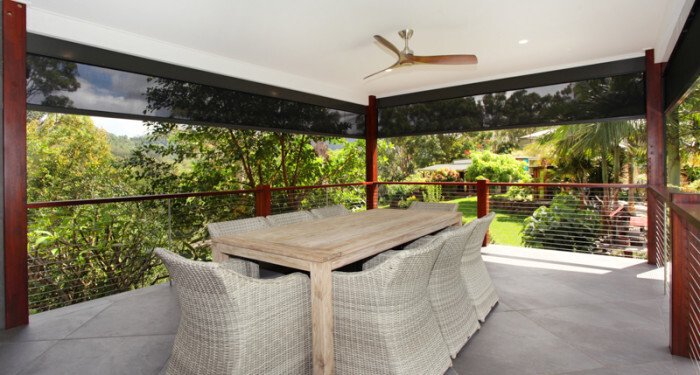



If you’re wondering how to clean outdoor blinds without wrecking the fabric, how often Melbourne’s climate demands it, or whether your Ziptrak system needs anything special — you’re in the right place. Here’s the straight answer: most outdoor blinds need a light rinse every 4–6 weeks and a proper clean every three months, plus a mould check before rolling them up after any sustained wet weather. Keep on top of that routine and a quality set of outdoor blinds will comfortably last a decade or more.
Melbourne throws everything at outdoor living spaces — 40°C summer scorchers, salt-laced southerlies, autumn leaf tannins, and those drawn-out damp winters that make mould genuinely something to stay ahead of. Your outdoor blinds sit in the firing line of all of it. The good news is that a consistent, straightforward maintenance routine keeps them performing, looking sharp, and holding their warranty — without requiring a full weekend every time.
This guide covers every practical angle: material-specific cleaning techniques, mould prevention tailored to Melbourne’s seasons, the mechanical upkeep that retractable and zip track systems need, and the seasonal care calendar that actually works for this city. Whether you’ve got outdoor café blinds on a hospitality fit-out, Ziptrak outdoor blinds on an alfresco, or fixed drop blinds on a pergola, there’s a section here that speaks directly to your setup.
Why Melbourne’s Climate Makes Outdoor Blind Maintenance Non-Negotiable
Melbourne’s climate is genuinely tough on outdoor textiles. The Bureau of Meteorology records Melbourne’s UV index regularly reaching 11–12 in peak summer — the “extreme” category — which degrades unprotected fabrics significantly faster than lower-UV cities. Layer on top of that: average annual rainfall of approximately 650mm concentrated across autumn and winter, plus the infamous four-seasons-in-one-day temperature swings that cause materials to repeatedly expand and contract.
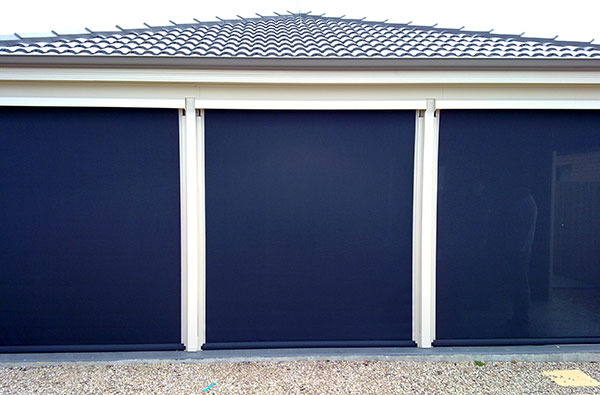
The practical consequence? Blinds that are cleaned and cared for consistently retain their structural integrity, UV resistance coatings, and aesthetic appeal for 10–15 years. Those that are neglected — particularly ones repeatedly rolled up damp — can show mould growth, fabric embrittlement, and mechanical failure within five years. That’s not a scare tactic; it’s the honest difference between a protected outdoor textile and one that the Melbourne climate simply works through.
🌤️ Melbourne Climate Maintenance Triggers
- UV Index 11–12 (Dec–Feb): Fades unprotected fabrics; UV-inhibitor care is essential in summer.
- Autumn leaf tannins: Brown staining from decomposing leaves — rinse off promptly before they set.
- Winter humidity (June–Aug): Sustained damp weather creates prime mould conditions; never roll up wet.
- Spring pollen (Sep–Nov): Heavy pollen deposits clog fabric weave and attract grime — regular rinsing prevents buildup.
- Summer dust storms: Fine particulate embeds in fabric; rinse within 24 hours of significant dust events.
How to Clean Outdoor Blinds Without Causing Damage
The most common mistake Melbourne homeowners make when cleaning outdoor blinds is reaching for the pressure washer. It feels efficient — and it genuinely destroys blinds. High-pressure water forces itself into roller mechanisms, strips UV-inhibiting coatings from PVC, distorts aluminium guide rails, and weakens fabric thread structure. The right approach is lower-effort and far more effective over the long run.
The Step-by-Step Outdoor Blind Cleaning Process
Dry Dust First
Use a soft-bristle brush or microfibre cloth to remove loose dust, pollen, and debris from the fabric surface before introducing water. This prevents grime from turning into mud and embedding deeper into the weave.
Prepare Your Cleaning Solution
Mix a mild pH-neutral detergent — Purity or similar — in a bucket of warm water. For mould-affected areas, use a 1:3 white vinegar-to-water solution. Avoid bleach, solvents, or harsh alkaline cleaners on all blind types.
Apply and Agitate Gently
Use a soft-bristle brush or cellulose sponge to apply the solution. Work in circular motions on fabric blinds and straight strokes on PVC café blinds to avoid scratching. Allow to dwell for 5 minutes on soiled areas.
Rinse Thoroughly
Use a standard garden hose at normal mains pressure — never jet or pressure washer settings. Rinse from top to bottom. Ensure all detergent residue is removed, as dried soap attracts further grime.
Dry Completely Before Rolling
This is the most critical step. Allow blinds to hang fully extended until completely dry — at minimum 2–3 hours on a warm Melbourne day. Never roll or fold blinds while damp. Trapped moisture is the primary cause of mould in outdoor blinds.
Inspect the Mechanism
After each cleaning session, test the roll-up or zip mechanism while the blind is still extended. Look for smooth, consistent operation. Any grinding, sticking, or resistance signals it’s time for lubrication or a professional service check.
Pro Tip: Tackle cleaning sessions on dry, overcast Melbourne days rather than full sun. Direct sun dries the cleaning solution too quickly on the fabric surface, leaving streaks and soap residue that’s harder to fully rinse off.
Material-Specific Care: PVC, Polyester, HDPE and Canvas Outdoor Blinds
Not all outdoor blind fabrics are created equal, and they don’t all clean the same way. Understanding what your blinds are made from determines which products are safe to use and which will do quiet, invisible damage that only shows up two seasons later.
| Material | Common Use | Cleaning Method | Avoid | Typical Lifespan (Maintained) |
|---|---|---|---|---|
| Clear PVC | Café blinds, visibility panels | pH-neutral detergent, microfibre cloth, low-pressure rinse | Abrasive pads, acetone, bleach, pressure washers | 8–12 years |
| Woven Polyester | Ziptrak blinds, alfresco drop blinds | Mild detergent, soft brush, garden hose rinse | Bleach, petroleum solvents, high-heat drying | 10–15 years |
| HDPE Mesh | Shade sails, open-weave screens | Mild detergent, brush scrub, thorough rinse | Petroleum-based solvents, concentrated bleach | 10–15 years |
| Solution-Dyed Acrylic | Premium alfresco blinds, hospitality | Lukewarm water, mild soap, soft brush — never machine wash | Hot water, dry cleaning solvents, hard-bristle brushes | 12–15+ years |
| Canvas / Woven Cotton Blends | Traditional café blinds, heritage applications | Gentle brush, cold water rinse, specific canvas cleaner | Bleach, hot water, submerging in water | 7–10 years |
A Note on PVC Clarity — Melbourne’s Hidden Issue
Clear PVC panels used in outdoor café blinds and visibility panels are particularly prone to yellowing and hazing in Melbourne’s UV environment. Once the PVC begins to cloud, it’s difficult to reverse. The prevention is simple: clean regularly with a PVC-specific cleaner or mild pH-neutral detergent, and apply a UV protectant product designed for clear PVC every 6 months. Products like 303 Aerospace Protectant (available at automotive and marine retailers) are widely used in the trade and genuinely effective at slowing UV-driven yellowing.

Preventing and Removing Mould on Melbourne Outdoor Blinds
Mould is the single biggest threat to outdoor blind longevity in Melbourne. The city’s autumn-to-winter period — particularly the sustained humid stretches between April and July — creates exactly the conditions mould needs: moderate warmth, consistent moisture, and organic matter (dust, pollen residue, leaf debris) to feed on. If you’re finding black or grey spotting on your blind fabric, you’re looking at mould or mildew that has already established a root structure in the fabric fibres.
How to Treat Mould on Outdoor Blind Fabric
- Work outside and extended: Never treat mould with the blind rolled or folded. Extend it fully in the open air before starting.
- Apply white vinegar solution: Mix one part white vinegar to three parts water. Apply liberally to affected areas with a soft brush.
- Dwell time matters: Allow the solution to sit for 15–20 minutes. Don’t rush this — the acetic acid in vinegar needs contact time to break down the mould cell structure.
- Agitate gently: Use a soft-bristle brush in circular motions. Avoid wire brushes or abrasive pads — they damage fabric coatings and make the surface more susceptible to future mould.
- Rinse thoroughly: Use a garden hose at standard pressure. Rinse until all vinegar and mould debris is removed.
- Dry completely before rolling: This cannot be overstated — at least 3–4 hours of extended, open-air drying in Melbourne conditions before rolling up.
- Apply a mould inhibitor: Once dry, apply a fabric-safe mould inhibitor spray. Fabsil Universal Protector and Star Brite Mold & Mildew Stain Remover are both well-regarded in the Australian outdoor textile industry.
Important: Bleach is often recommended online for mould removal, but it’s damaging to most outdoor blind fabrics. Bleach degrades the UV inhibitors built into polyester and acrylic fabrics, accelerating sun damage and shortening lifespan significantly. Stick to vinegar-based or fabric-specific mould treatments for outdoor blinds.
Preventing Mould Before It Starts
✅ Do These Things
- Always dry blinds fully before rolling — no exceptions
- Clean every 6–8 weeks during Melbourne’s wet season
- Apply a UV + mould protectant spray annually (autumn is ideal)
- Roll blinds up on dry, clear days during extended wet periods
- Inspect the rolled fabric monthly during winter — unroll briefly to check
- Remove leaf debris and organic matter promptly — it feeds mould
❌ Avoid These Habits
- Rolling blinds up after morning dew or rain without drying
- Leaving organic debris (leaves, bird droppings) sitting on fabric
- Using bleach or harsh solvents on fabric surfaces
- Skipping the dry-before-roll step when it’s inconvenient
- Ignoring early mould spotting — small spots become large infestations quickly
- Storing canvas or woven blinds without applying a mould inhibitor for the season
Retractable vs. Fixed Outdoor Blinds: Which Requires Less Maintenance?
This is one of the most common questions Melbourne homeowners ask when choosing between blind systems — and the honest answer is more nuanced than most sites will tell you. Both retractable and fixed blind systems require maintenance, but they require different types of maintenance across different components.
| Maintenance Factor | Retractable / Ziptrak Blinds | Fixed Drop / Café Blinds |
|---|---|---|
| Fabric Cleaning | Same process — mild detergent, soft brush, rinse, dry | Same process — mild detergent, soft brush, rinse, dry |
| Mechanism Maintenance | Requires periodic lubrication of zip tracks, roller springs, and guide channels (every 6–12 months) | Minimal — check bottom rail fixings, tie-downs, and turnbuckles annually |
| Mould Risk | Higher risk if rolled wet — fabric is enclosed in a compact roll | Lower risk — fabric hangs extended and exposed, dries more readily |
| UV Protection | Fabric retracts when not in use — extended lifespan from reduced UV exposure | Fabric continuously exposed to UV — requires more frequent UV protectant application |
| Storm / Wind Damage | Retract before severe weather — removes exposure risk entirely | Must be designed and rated for wind load — less flexible in sudden Melbourne storms |
| Access for Cleaning | Full fabric accessible when extended — thorough cleaning possible | Fixed position makes top-rail access slightly harder without a ladder |
| Overall Maintenance Effort | Slightly higher mechanical attention; lower fabric wear | Lower mechanical complexity; slightly higher fabric wear management |
Ziptrak and Zip Track Blind Mechanism Maintenance
Ziptrak outdoor blinds and other zip track systems have become the dominant choice for Melbourne alfresco spaces in recent years — and for good reason. The patented zip-guided tracking system provides draught-sealing, wind resistance, and a clean aesthetic. But the mechanism itself needs attention that standard drop blinds don’t require.
Every 6 months, the zip channels on both sides of the blind should be cleaned of accumulated grit and debris, then lubricated with a silicone-based lubricant spray. Never use WD-40 or petroleum-based lubricants on zip track systems — they attract dust and grit, accelerating wear in the channel. Silicone spray (available at Bunnings and most hardware stores) is the correct product. Apply lightly to both channels, then operate the blind up and down several times to distribute the lubricant evenly.
Mechanism Check: If your zip track blind is skipping the track, operating with resistance, or the fabric isn’t sitting flush when lowered — book a service check before the issue escalates. Early intervention on mechanism issues is almost always significantly less costly than a full track replacement.
Seasonal Maintenance Calendar for Melbourne Outdoor Blinds
Melbourne’s climate has distinct seasonal patterns that should directly shape your maintenance schedule. A one-size-fits-all “clean twice a year” approach simply doesn’t account for how differently your alfresco blinds need to be managed in February versus June.
Summer (Dec–Feb)
Rinse every 4 weeks. Apply UV protectant before December. Retract during forecast wind events >40km/h. Inspect bottom rails after heatwaves — expansion can affect tension.
Autumn (Mar–May)
Full clean in March. Apply mould inhibitor treatment in April/May before sustained wet weather arrives. Clear leaf debris weekly — tannin staining sets fast on light-coloured fabrics.
Winter (Jun–Aug)
Clean on dry days only. Inspect for mould monthly — unroll briefly to check the full fabric. Lubricate zip tracks in July. Never roll up in the morning dew. This is the highest-risk mould season.
Spring (Sep–Nov)
Full post-winter clean in September. Rinse pollen deposits frequently (every 2–3 weeks during peak bloom). Inspect all fixings and mechanism components before the active summer season begins.

Don’t Overlook the Hardware: Fixings, Rails, and Mechanism Care
A common blind maintenance gap is focusing entirely on the fabric and ignoring the hardware. In Melbourne’s environment, the aluminium extrusions, stainless steel fixings, and powder-coated frames that hold your blind system together also need attention — particularly in bayside suburbs where salt air accelerates corrosion on anything less than marine-grade stainless.
Annual Hardware Maintenance Checklist
- Inspect all wall fixings and brackets: Look for any movement, cracking of the masonry around fixings, or rust bleeding from fasteners. Address loose fixings promptly — a blind that fails in a Melbourne wind event is both a safety risk and a warranty issue.
- Check powder coat condition: Fine chips or scratches on powder-coated aluminium frames should be touched up with matched colour powder coat spray or enamel paint to prevent substrate corrosion under the coating.
- Inspect roller spring tension: For manually operated retractable blinds, test the return spring quarterly. A blind that won’t retract smoothly or rolls unevenly has a spring tension issue — address it before it fails mid-season.
- Clean aluminium extrusions: Wipe down guide rails and header boxes with a damp cloth and mild detergent. In bayside Melbourne locations, do this monthly — salt deposits are abrasive to anodising and powder coat finishes.
- Test motorised drive systems: If you have motorised modern blinds with electronic operation, run through the full travel range every 3 months and check limit switch settings haven’t drifted. A motor that hits a hard stop repeatedly will burn out significantly before its designed service life.
Maintenance, Warranties, and Protecting Your Investment
This section matters more than most people realise when they’re researching outdoor blinds. Most quality outdoor blind warranties — including those on Ziptrak systems and leading Australian-manufactured products — are conditional warranties. They cover manufacturing defects and material failures under normal conditions, but they typically require evidence of reasonable maintenance. Mould damage caused by storing blinds wet, UV degradation accelerated by lack of protectant application, and mechanism failure caused by lack of lubrication are commonly cited as maintenance-related exclusions rather than warranty claims.
📋 What Most Outdoor Blind Warranties Require
- Regular cleaning with approved, non-damaging products
- Retraction or protection during extreme weather events
- Mechanism lubrication as per the manufacturer’s schedule
- No modification to the blind system without manufacturer approval
- Installation by a qualified installer (DIY installation typically voids warranty)
Always retain your purchase documentation and installation certificate. These are required to support any warranty claim.
The practical takeaway: the maintenance routine in this guide isn’t just about aesthetics or longevity — it’s about keeping your warranty valid. A well-maintained set of quality outdoor blinds installed by a professional is both a better-performing product and a more protected investment.
How Maintenance Requirements Should Influence Your Blind Choice
If you’re still in the research and selection phase — comparing Ziptrak blinds, fixed café blinds, or other alfresco blind systems for your Melbourne property — maintenance requirements should be a genuine decision factor, not an afterthought.
Here’s the honest landscape for Melbourne conditions specifically:
- Highest-maintenance setup: Canvas or cotton-blend fixed blinds in south-facing or shaded positions in inner-Melbourne suburbs with heavy tree canopy. Sustained shade and organic debris load means mould pressure is constant, and canvas requires more careful drying management than synthetic materials.
- Moderate maintenance: Ziptrak or zip track systems in a typical Melbourne alfresco. The fabric is synthetic and resilient; the mechanism needs periodic lubrication; overall the system is manageable with the schedule outlined in this guide.
- Lower maintenance: Solution-dyed acrylic fabrics in open, sun-exposed positions. The UV stability of solution-dyed acrylics means the colour is locked into the fibre rather than applied as a surface coating — it won’t fade as readily, and mould resistance is inherent in many product formulations.
- Best for low-maintenance hospitality: Heavy-duty PVC outdoor café blinds with UV stabilisation. Easy to wipe clean, resistant to food and beverage staining, and non-porous so mould has nowhere to establish.