



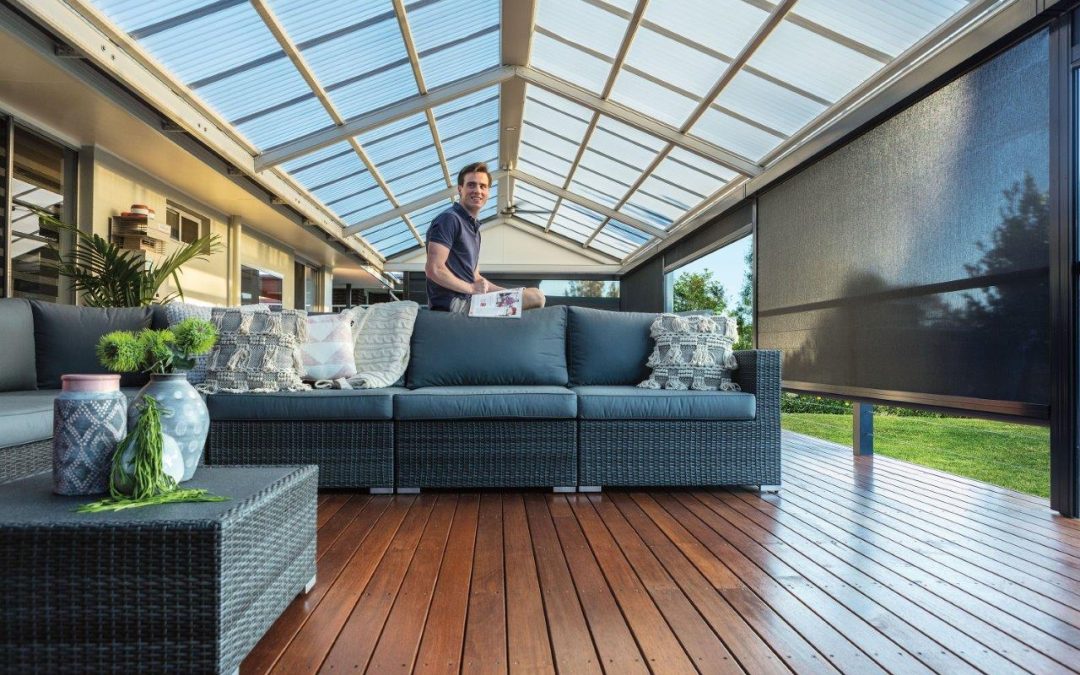
PVC cafe blinds in Melbourne are one of the most practical ways to extend your alfresco season well into winter. Melbourne’s climate delivers sharp westerly winds, cold overnight temperatures, and unpredictable rainfall. A standard open patio becomes barely usable from June through August. Properly installed PVC cafe blinds create a wind-resistant enclosure. They trap warmth, block rain, and keep outdoor furniture dry. Costs generally start from around $150 per blind. However, the quality of PVC, the operation system, and the installation method all affect long-term performance. This guide covers everything Melbourne homeowners and hospitality operators need to know before buying.
Furthermore, not all PVC blinds perform equally in cold, damp conditions. Some yellow within a season. Others fog up and destroy the view. Knowing what separates a quality product from a cheap one saves you from a costly replacement job within three years.
Why PVC Cafe Blinds Work So Well for Melbourne Winters
Melbourne’s Bureau of Meteorology data consistently shows June, July, and August as the coldest and wettest months. Average overnight temperatures drop to around 6 degrees Celsius. Wind gusts from the south and west regularly exceed 40 km/h. Consequently, outdoor living without some form of enclosure becomes genuinely uncomfortable for weeks at a time.
PVC cafe blinds address this directly. They form a transparent or semi-transparent wall around your alfresco area. This barrier reduces wind-chill significantly. It also keeps light rain and drizzle from driving horizontally across your outdoor table. Moreover, clear PVC panels allow natural light to pass through. This means your alfresco still feels open and bright even on overcast winter days.
Additionally, PVC cafe blinds are one of the most affordable enclosure solutions available. Unlike permanent glass walls, they roll up and store neatly during summer. This flexibility suits Melbourne’s variable shoulder seasons well. You can drop them on a cold October evening. You can roll them up on a warm November afternoon. That adaptability is a genuine advantage over fixed structures.
Statewide Outdoor Blinds supplies and installs a comprehensive range of cafe blinds across Melbourne. Their team assists with specification, sizing, and installation throughout the metro area.
Beyond weather protection, PVC cafe blinds offer another practical benefit. They extend the functional square meterage of your home without requiring a building permit. In Victoria, non-permanent enclosure systems like roll-up cafe blinds generally do not require planning permits. However, always confirm current requirements with your local council before proceeding. For more complex enclosure projects, referencing Planning Victoria’s residential guidelines is advisable.
Clear PVC vs Mesh Cafe Blinds: Which One Actually Suits You?
This is one of the most common questions Melbourne buyers ask. The answer depends entirely on your priorities. Both materials serve different purposes effectively. Understanding the difference prevents a mismatch between expectation and reality.
What Clear PVC Delivers
Clear PVC panels offer near-transparent visibility. They create the closest thing to a glass wall without the structural cost. For alfresco areas with garden views, pool outlooks, or entertainment setups, clear PVC preserves the visual connection. They block wind and rain effectively while maintaining brightness inside the enclosure.
However, clarity is not permanent in all grades. Cheaper clear PVC tends to yellow and cloud within two to three years of UV exposure. Marine-grade or UV-stabilised clear PVC holds its transparency considerably longer. This distinction matters enormously when comparing quotes. A lower upfront price often comes with a significantly shorter clarity lifespan.
What Mesh PVC Delivers
Mesh cafe blinds use a woven or perforated PVC fabric. They allow airflow while still blocking a significant amount of wind and sun. This makes them particularly popular for summer shade applications. They reduce glare effectively without completely closing off the outdoor environment.
On the other hand, mesh panels offer very little insulation benefit in winter. They allow cold air to pass through by design. Consequently, mesh cafe blinds are rarely the right choice if your primary goal is a warm winter alfresco enclosure.
| Clear PVC Cafe Blinds | Mesh Cafe Blinds |
| Near-transparent view | Partial visibility, reduces glare |
| Excellent wind and rain block | Moderate wind reduction |
| Strong winter insulation | Minimal winter insulation |
| Allows natural light | Reduces light by 30-50% |
| Best for winter enclosures | Best for summer shade |
| Can fog with condensation | No fogging issue |
| Requires UV-stable grade for longevity | Generally durable across seasons |
Many Melbourne homeowners choose a combination of both. Clear PVC blinds on north and east-facing sides maximise winter light. Mesh panels on western exposures manage harsh afternoon summer sun. This hybrid approach gives year-round performance without compromise. Speak with the Statewide team about outdoor blind combinations in Melbourne for tailored recommendations.
Marine Grade PVC and Cold Weather Performance in Melbourne
The term “marine grade PVC” gets used frequently in outdoor blind marketing. Understanding what it actually means helps Melbourne buyers make an informed decision. Marine-grade PVC is formulated for continuous exposure to moisture, UV radiation, salt air, and temperature fluctuations. It originates from the boating and marine industry, where material failure is not a minor inconvenience.
Applied to outdoor cafe blinds, marine-grade PVC offers several practical advantages over standard commercial PVC. First, it maintains flexibility at lower temperatures. Standard PVC can become stiff and brittle when temperatures drop below 10 degrees Celsius. Marine-grade formulations retain flexibility to around minus 5 degrees Celsius. Melbourne rarely reaches these extremes, but the flexibility advantage is still meaningful during cold June and July mornings.
Verified Fact: PVC (polyvinyl chloride) is one of the world’s most widely used synthetic plastics. Its properties vary significantly based on plasticiser content and UV stabiliser additives. Marine-grade PVC specifically incorporates anti-fungal agents and UV stabilisers. Source: Wikipedia – Polyvinyl Chloride.* For material specification details, consult your blind supplier’s product data sheet.
Second, marine-grade PVC resists yellowing and clouding from UV exposure far better than standard grades. This directly addresses the most common complaint about clear PVC blinds. Third, marine-grade PVC typically carries a stronger fungal resistance formulation. This matters in Melbourne’s damp winters where mould spores are prevalent.
Furthermore, marine-grade PVC typically comes in thicknesses from 0.5mm to 1.0mm. Thicker gauge material resists wind distortion better. In Melbourne’s western suburbs, where wind exposure can be significant, opting for 0.8mm or 1.0mm gauge is often the right decision for longevity and wind stability.
“Choosing marine-grade PVC might add a modest amount to your initial investment. However, it routinely doubles the effective lifespan of your cafe blinds in Melbourne’s UV and moisture conditions.”
For wind-heavy locations along Melbourne’s bay suburbs or western growth corridor, marine-grade PVC cafe blinds are effectively the minimum recommended specification. Standard commercial PVC in those environments tends to degrade noticeably within three years.
Crank vs Rope Operated Cafe Blinds: A Practical Comparison
Operation method is another decision point that often receives less attention than it deserves. Both crank and rope systems lower and raise PVC cafe blinds effectively. However, they differ in ease of use, maintenance requirements, and suitability for different blind heights.
Rope-Operated Systems
Rope operation is the traditional and more economical approach. A simple pulley system allows you to lower or raise the blind by pulling on a cord. Rope systems work well for blinds under about 2.4 metres in height. They are straightforward to operate and have very few mechanical components to fail.
On the downside, rope systems can allow blinds to sway slightly in wind if not properly tensioned. Additionally, repeated rope handling leaves the blind surface prone to fingerprints and smudges near the lower hem. For domestic settings with moderate wind exposure, rope systems remain a reliable and cost-effective choice.
Crank-Operated Systems
Crank operation uses a side-mounted winding mechanism. This provides more controlled, consistent lowering and raising. It is noticeably easier for wider or taller blinds exceeding 2.4 metres. Crank systems also keep hands away from the PVC surface, which reduces fingerprint and smudge issues considerably.
Moreover, crank systems offer better bottom-rail stability when the blind is fully deployed. This means less flutter in moderate wind. For commercial restaurant alfresco areas where blinds are adjusted frequently throughout the day, crank operation is generally the more practical long-term choice.
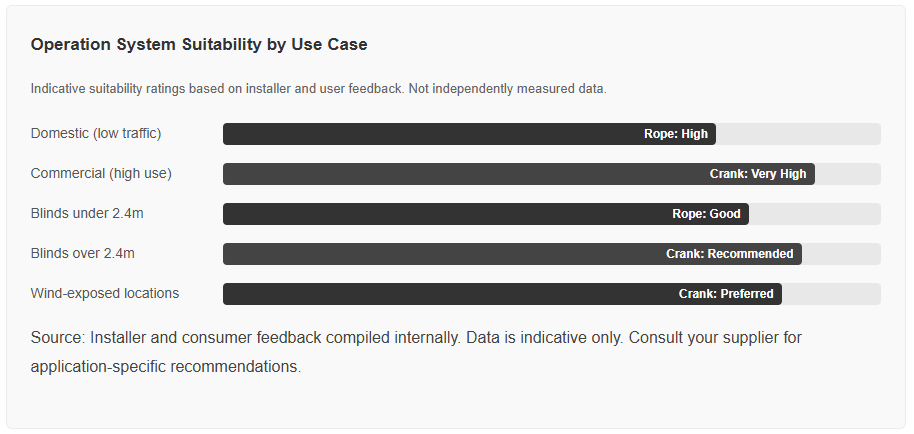
Motorised options also exist for premium installations. These are particularly popular in commercial settings where multiple blinds need to be raised or lowered simultaneously. For most Melbourne domestic alfresco projects, however, a quality crank or rope system provides excellent value without additional mechanical complexity.
Fixing Foggy PVC Cafe Blinds: What Actually Causes It and What Works
Fogging is one of the most frequent complaints Melbourne homeowners raise about clear PVC cafe blinds. It is frustrating because it directly defeats the purpose of choosing clear over mesh. Understanding the cause, however, usually reveals a straightforward solution.
Why Does Clear PVC Fog Up?
There are two distinct types of fogging. The first is surface fogging. This happens when condensation from temperature differences settles on the outer PVC surface. Cold outside air meeting the warmer interior creates moisture on the panel face. This is temporary. It clears naturally as temperatures equalise. Improving ventilation around the blind slightly reduces the frequency of surface fogging.
The second type is material fogging. This is internal haziness that develops within the PVC material itself over time. It results from UV degradation breaking down plasticiser compounds inside the PVC sheet. Once this type of fogging occurs, no amount of cleaning reverses it. Material fogging is effectively the end-of-life signal for a PVC blind panel. It almost always occurs sooner in lower-grade PVC.
Preventing Material Fogging
Prevention begins at the specification stage. Choosing UV-stabilised or marine-grade PVC is the single most effective step. Beyond material choice, keeping the blind surface clean prevents UV damage from being accelerated by dirt and airborne grime acting as abrasive agents. Additionally, rolling up blinds during extended sunny periods reduces cumulative UV load on the material.
Some PVC care products marketed specifically for marine canvas and clear vinyl can slow surface oxidation. Products containing UV inhibitors designed for clear vinyl are available through marine supply retailers. Avoid silicone-based products, as these attract dust and grime quickly. The CHOICE consumer product reviews site occasionally covers outdoor blind care products if you want independent assessments.
Quick tip: If your current PVC blinds are surface-fogging due to condensation, try leaving the bottom hem of the blind raised 100-150mm when temperatures drop sharply. This small ventilation gap reduces condensation build-up significantly on cold Melbourne nights.
Cost Guide: What PVC Cafe Blinds Actually Cost in Melbourne
Cost is invariably the first question. It is also one of the hardest to answer precisely without specific measurements and specifications. The following ranges reflect general Melbourne market pricing as of mid-2026. These are indicative only. Always request a written quote from your chosen supplier, as prices vary by specification, supplier, and site conditions.
Pricing Disclaimer: The cost ranges below are indicative estimates for Melbourne as of mid-2026 only. Prices change based on material costs, supplier pricing structures, installation complexity, and market conditions. Do not use these figures for budgeting without a current written quote from a licensed supplier.* Statewide Outdoor Blinds provides obligation-free quotes. Call 1300 559 604 for current pricing.
Indicative Price Ranges (Mid-2026)
| Standard PVC, rope operated | Indicative Range (per blind) |
| Standard PVC, rope operated | $150 – $220 approx. |
| Marine-grade PVC, rope operated | $220 – $320 approx. |
| Marine-grade PVC, crank operated | $280 – $400 approx. |
| Mesh cafe blind, rope operated | $180 – $280 approx. |
| Motorised PVC blind (domestic) | $500 – $900+ approx. |
All prices are estimates only as at mid-2026. Prices exclude GST, installation labour, and site-specific requirements. Obtain a current written quote before committing to any purchase.
Importantly, the price per square metre of PVC material is only one component of the total cost. Installation labour, hardware, and track systems contribute significantly to the final figure. A complete alfresco enclosure of four standard-sized blinds typically costs between $1,200 and $2,500 installed in Melbourne, depending on specification. Commercial restaurant enclosures with larger panels and heavier-duty hardware can exceed these ranges considerably.
For context, compare these costs against Ziptrak blinds in Melbourne, which offer a different price and performance profile discussed in the next section.
PVC Cafe Blinds vs Ziptrak Outdoor Blinds: An Honest Comparison
This comparison comes up constantly in Melbourne outdoor living forums. Both systems solve the same core problem. They create an outdoor enclosure. However, they do so in meaningfully different ways. Understanding these differences prevents an expensive mismatch.
How Ziptrak Differs
Ziptrak is a patented Australian zip-guided system. The blind fabric runs within a channel track on each side. This eliminates fabric flapping and maintains an even, taut surface regardless of wind conditions. The zip-guided design also creates a tighter perimeter seal. Consequently, Ziptrak outdoor blinds provide superior wind and rain exclusion compared to standard cafe blinds.
Additionally, Ziptrak blinds can be stopped at any position and hold firm without clips or tie-downs. This gives much finer control over ventilation. They are also available in a wide range of fabrics, including clear PVC, mesh, and blockout materials. Statewide Outdoor Blinds supplies and installs Ziptrak blinds throughout Melbourne as well as E-Zip blinds for similarly guided enclosure performance.
Where PVC Cafe Blinds Hold Their Own
Despite the performance advantages of guided systems, PVC cafe blinds remain relevant for several reasons. First, the cost difference is significant. A Ziptrak installation typically costs 30-60% more than comparable cafe blinds. For budget-conscious homeowners or rental property upgrades, this difference matters. Second, cafe blinds suit irregular or non-rectangular openings better. Curved verandah posts and uneven rooflines are easier to work around with traditional cafe blind systems. Third, cafe blinds are widely available, quickly installed, and easy to replace or retro-fit.
| PVC Cafe Blinds | Ziptrak Outdoor Blinds |
| Lower upfront cost | Higher upfront investment |
| Good wind resistance | Superior zip-guided wind seal |
| Fixed position only (with clips) | Stop at any position, holds firm |
| Works on irregular openings | Requires track installation |
| Rope or crank operation | Manual spring-assist or motorised |
| Suitable for most domestic uses | Premium domestic and commercial |
In summary, if budget is the primary constraint and the enclosure does not face severe wind exposure, PVC cafe blinds in Melbourne represent an excellent entry-level solution. If you need a premium seal and stop-anywhere convenience, Ziptrak or ZipScreen outdoor blinds are worth the additional investment.
Cafe Blinds for Restaurant Alfresco Areas: What Commercial Operators Need to Know
Melbourne’s hospitality sector has a long tradition of outdoor dining. Laneways, rooftop bars, and garden restaurants all rely on alfresco seating for revenue. Consequently, the decision to install cafe blinds is often as much a financial calculation as a comfort decision for restaurant operators.
A covered and enclosed alfresco area generates revenue year-round rather than only during six months of good weather. Research from the Australian Hospitality Association consistently highlights outdoor dining as a significant contributor to overall venue turnover. Enclosing that space with PVC cafe blinds extends its usability through Melbourne’s cooler months without requiring council-approved permanent structures in most cases.
Verified Fact: According to the Australian Bureau of Statistics, the cafe, restaurant, and takeaway food sector is one of Australia’s largest employing industries. Extending the outdoor dining season directly impacts revenue per seat. Source: Australian Bureau of Statistics – Business Industries.* ABS industry data. For current hospitality turnover figures, visit abs.gov.au.
Commercial Grade Requirements
Commercial restaurant applications demand heavier-duty specifications than domestic installations. Blinds in hospitality settings typically need to withstand daily operation, often multiple cycles per day. This immediately points toward crank-operated systems over rope systems. Marine-grade PVC is effectively the minimum standard for commercial use given the constant cleaning and operation cycles.
Furthermore, commercial cafe blinds should meet relevant fire safety standards. In Victoria, materials used in commercial premises require compliance with the National Construction Code. Discuss fire rating requirements with your supplier before specifying materials for a commercial hospitality venue.
Branded panels are another option gaining popularity among Melbourne restaurant operators. PVC panels can be printed with logos, patterns, or frosted effects. This adds a layer of privacy without losing light entirely, while reinforcing the venue’s brand identity. Statewide Outdoor Blinds can advise on commercial cafe blind specifications for restaurant alfresco enclosures in Melbourne.
How to Clean and Maintain PVC Cafe Blinds Properly
Maintenance is straightforward once you understand what PVC responds well to and what damages it. Many of the most common cleaning mistakes come from applying household glass or window cleaning products without checking their chemical compatibility with PVC.
The Right Cleaning Method
The correct approach involves very few steps. First, remove loose dust and surface debris with a soft dry cloth or a brush with soft bristles. Next, prepare a solution of warm water and a small amount of mild pH-neutral dish soap. Apply this to the PVC surface using a soft microfibre cloth. Wipe gently in one direction rather than scrubbing in circles. Rinse the surface thoroughly with clean water to remove all soap residue. Finally, allow the blind to air dry in shade before rolling it up.
For stubborn grime or mildew spots, a diluted white vinegar solution works effectively. Mix equal parts white vinegar and warm water. Apply with a soft cloth and allow it to sit for two to three minutes. Then wipe and rinse as above. This method handles most surface biological growth without chemical damage to the PVC.
What to Avoid
- Ammonia-based cleaners (including Windex and most glass cleaners) cause PVC to cloud and become brittle.
- Bleach at full concentration damages PVC surface and stitching.
- Abrasive cloths, scourers, or stiff brushes cause micro-scratches that accelerate UV degradation.
- Silicone-based spray products attract and hold dust and dirt rapidly.
- Pressure washers at close range can delaminate seams and warp the panel.
- Machine washing causes permanent warping and cracking of PVC material.
Seasonal Maintenance in Melbourne
Melbourne’s pollen season in spring deposits significant organic material on any outdoor surface. Cleaning PVC cafe blinds after the spring pollen peak and again after winter reduces cumulative UV damage from organic deposits. Rolling up blinds during extended sunny summer periods also reduces total UV load on the material. This simple habit meaningfully extends the lifespan of clear PVC panels.
Additionally, inspect the roller mechanism, fixing brackets, and bottom rail at the start of each season. Tighten any loose fixings. Lubricate crank mechanisms with a dry PTFE lubricant rather than an oil-based product. Oil-based lubricants attract dust and cause mechanical slipping over time. For detailed guidance on outdoor blind maintenance, the Australian consumer building guidance resources provide general product care principles applicable to outdoor fixtures.
For more outdoor living maintenance tips, the outdoor blinds range page at Statewide Outdoor Blinds includes care guidance for various blind systems. You can also explore their plantation shutters and security roller shutters for complete home enclosure solutions.
Other Outdoor Blind Systems Worth Considering
PVC cafe blinds solve many problems effectively. However, Melbourne homeowners increasingly explore guided systems for their added performance. It is worth briefly knowing what else is available before making a final decision.
Slide Track outdoor blinds use a channel system on each side of the opening. This keeps the blind fabric stable and aligned in all wind conditions. They are popular for large, exposed openings where standard cafe blinds would flutter or require constant clip management.
For awning-style coverage, folding arm awnings and window awnings address overhead sun exposure rather than lateral wind and rain. These complement cafe blinds well. An awning overhead combined with PVC cafe blinds on the sides creates a highly effective three-season alfresco enclosure in Melbourne’s climate. Similarly, outdoor awnings from Statewide cover a range of application types for Melbourne properties.
Conclusion
PVC cafe blinds in Melbourne remain one of the most practical, cost-effective ways to extend your alfresco season through winter. They handle Melbourne’s wind, cold, and rain effectively when specified correctly. The key decisions are material grade, operation type, and installation quality. Marine-grade PVC outperforms standard commercial PVC meaningfully over a five to ten-year period. Crank systems suit commercial and larger domestic applications better than rope systems. Clear PVC delivers winter enclosure performance. Mesh suits summer shade instead.
Moreover, comparing options carefully before committing pays dividends. Ziptrak and guided systems offer premium wind exclusion and stop-anywhere convenience at a higher price point. For many Melbourne homeowners, standard PVC cafe blinds represent the right balance of cost and performance. For hospitality operators, the return on investment from extending outdoor dining seasons justifies heavier-duty commercial specifications.
Ultimately, the best outcome comes from a supplier who understands Melbourne’s specific climate, can measure your space accurately, and recommends the right PVC grade and operation system for your exposure. Statewide Outdoor Blinds has supplied and installed PVC cafe blinds in Melbourne across hundreds of residential and commercial sites. Contact their team to discuss your specific requirements and receive an obligation-free quote.
Frequently Asked Questions About PVC Cafe Blinds in Melbourne
What are the disadvantages of PVC blinds?
PVC cafe blinds can yellow or fog over time with UV exposure. Lower-grade PVC may crack in very cold conditions. They offer less view clarity than glass alternatives. Condensation can form on the inner surface during cold Melbourne nights if ventilation is limited.
How much do outdoor cafe blinds cost in Melbourne?
As of mid-2026, PVC cafe blinds in Melbourne generally range from approximately $150 to $400 per blind. This depends on size, PVC grade, and operation type. A full alfresco enclosure of four blinds typically costs between $1,200 and $2,500 installed. Always request a current written quote as prices vary by specification and site conditions.
How do you clean PVC cafe blinds?
Wipe with a soft microfibre cloth dampened with warm water and mild dish soap. Rinse thoroughly. Allow to air dry in shade before rolling up. Avoid ammonia-based cleaners, abrasive cloths, and pressure washers at close range.
Do PVC blinds go mouldy?
PVC itself does not feed mould growth. However, organic material and moisture settling on the surface can allow mould spores to establish. Regular cleaning and ensuring blinds are dry before rolling up prevents mould build-up effectively.
What is the current trend in outdoor blinds in Melbourne?
In 2026, zip-guided systems like Ziptrak and E-Zip blinds are the fastest-growing segment. PVC cafe blinds remain consistently popular for cost-effective enclosures. Motorised operation is increasingly requested for large commercial spaces and premium residential installations.
Are PVC blinds easy to clean?
Yes. PVC cafe blinds are among the easiest outdoor blind materials to clean. A soft cloth with mild soapy water handles most surface dirt quickly and safely.
Can I use Windex to clean PVC cafe blinds?
No. Windex and most glass cleaners contain ammonia. Ammonia causes clear PVC to cloud and become brittle over time. Use warm water with mild dish soap instead.
How do I clean PVC blinds with vinegar?
Mix equal parts white vinegar and warm water. Apply with a soft cloth and wipe gently in one direction. Allow to sit for two to three minutes for mould or grime spots. Rinse with clean water and dry in shade. Avoid undiluted vinegar on extended contact as it may dull the surface with repeated use.
Can I wash PVC cafe blinds in a washing machine?
No. Machine washing permanently warps, cracks, or creases PVC material. Always clean PVC cafe blinds by hand using gentle methods.
Is it better to dust or wash PVC cafe blinds?
For routine maintenance, dusting with a dry microfibre cloth is sufficient. For deeper seasonal cleaning, especially after Melbourne’s winter or spring pollen season, a gentle hand wash with mild soap and water gives the best results.
What is the best thing to clean plastic outdoor blinds with?
Warm water with a small amount of mild pH-neutral dish soap applied with a soft microfibre cloth is the safest and most effective method. It cleans effectively without damaging the PVC surface or accelerating UV degradation.
Does PVC crack or go brittle in cold Melbourne winters?
Standard PVC can become stiff when temperatures drop below around 10 degrees Celsius. Marine-grade and UV-stabilised PVC formulations maintain flexibility at the temperatures Melbourne typically experiences in winter. Specifying the correct grade prevents this issue entirely.
How long do PVC cafe blinds last in Melbourne?
Quality marine-grade PVC cafe blinds typically last 8 to 12 years in Melbourne conditions with regular cleaning and correct seasonal storage. Lower-grade PVC may show yellowing or cracking within 3 to 5 years of UV and weather exposure.
What thickness of PVC is best for outdoor cafe blinds in Melbourne?
For Melbourne outdoor conditions, 0.5mm to 1.0mm thick marine-grade PVC is generally recommended. Thicker gauge material resists wind distortion better and is preferable for exposed alfresco areas in Melbourne’s western suburbs.
Do I need a council permit to install cafe blinds on my Melbourne property?
In most Victorian residential cases, non-permanent roll-up cafe blinds do not require a planning permit. However, requirements vary by council and property type. Always confirm with your local council before installation. Commercial applications have additional compliance requirements under the National Construction Code.